What is 3D Printing?
3D printing is a technology that takes three-dimensional models created on a computer and turns them into physical objects.
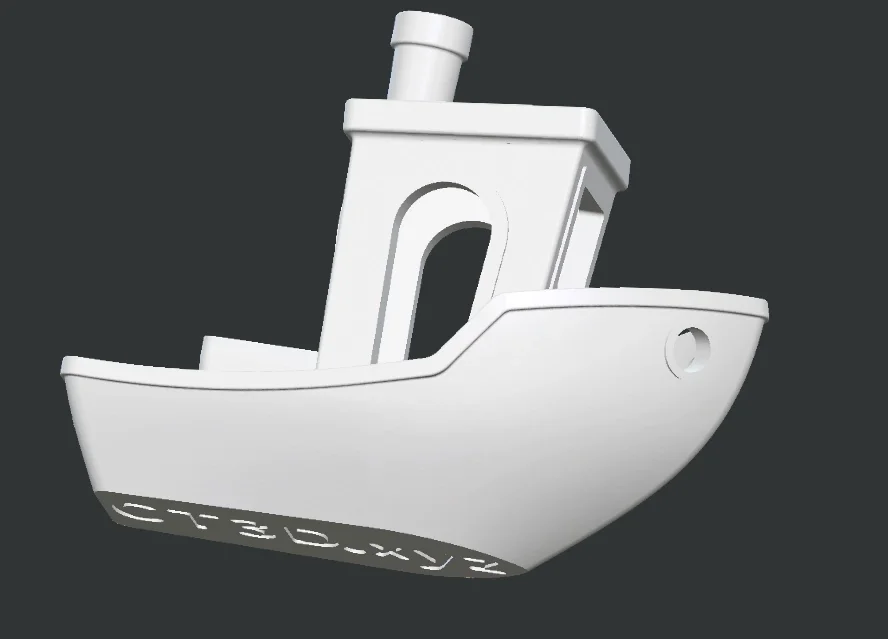
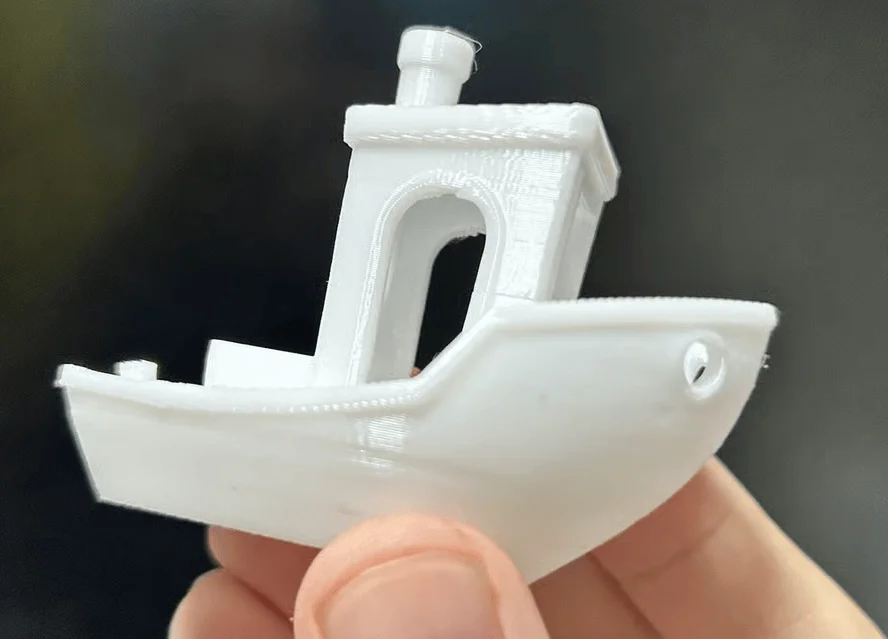

The simplest and most common type of 3D printing is Fused Deposition Modeling (or FDM for short). With FDM printing, the 3D printer pushes (or ‘extrudes’) melted plastic through a small nozzle on to a plate. This process is a lot like piping icing onto a dessert.
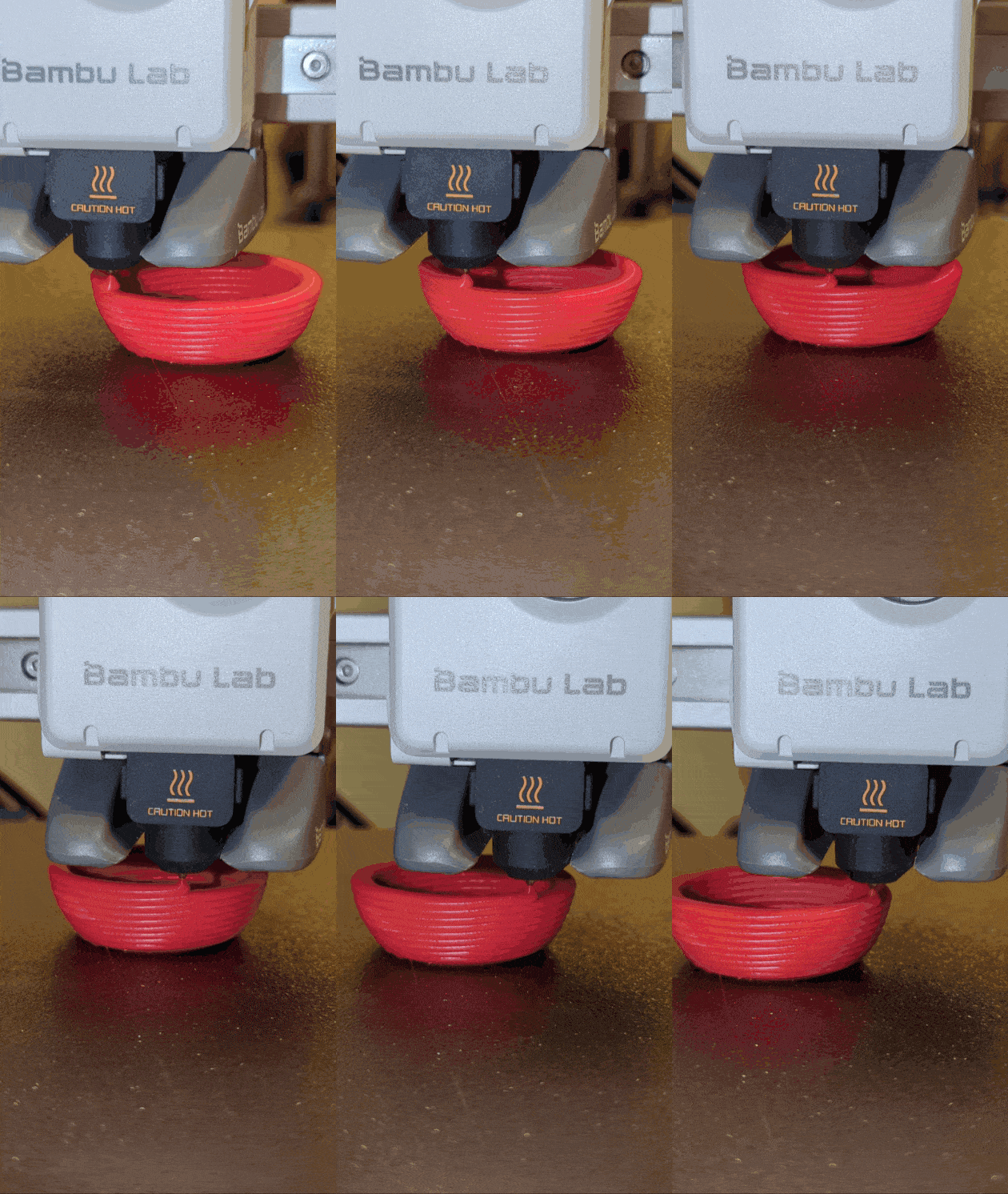

As 3D printer lays down the molten plastic on the bed, it creates layers that form the shape of the 3D model. These plastic layers cool and stick to each other, creating a solid plastic form.
3D Printing Terms
Slicing
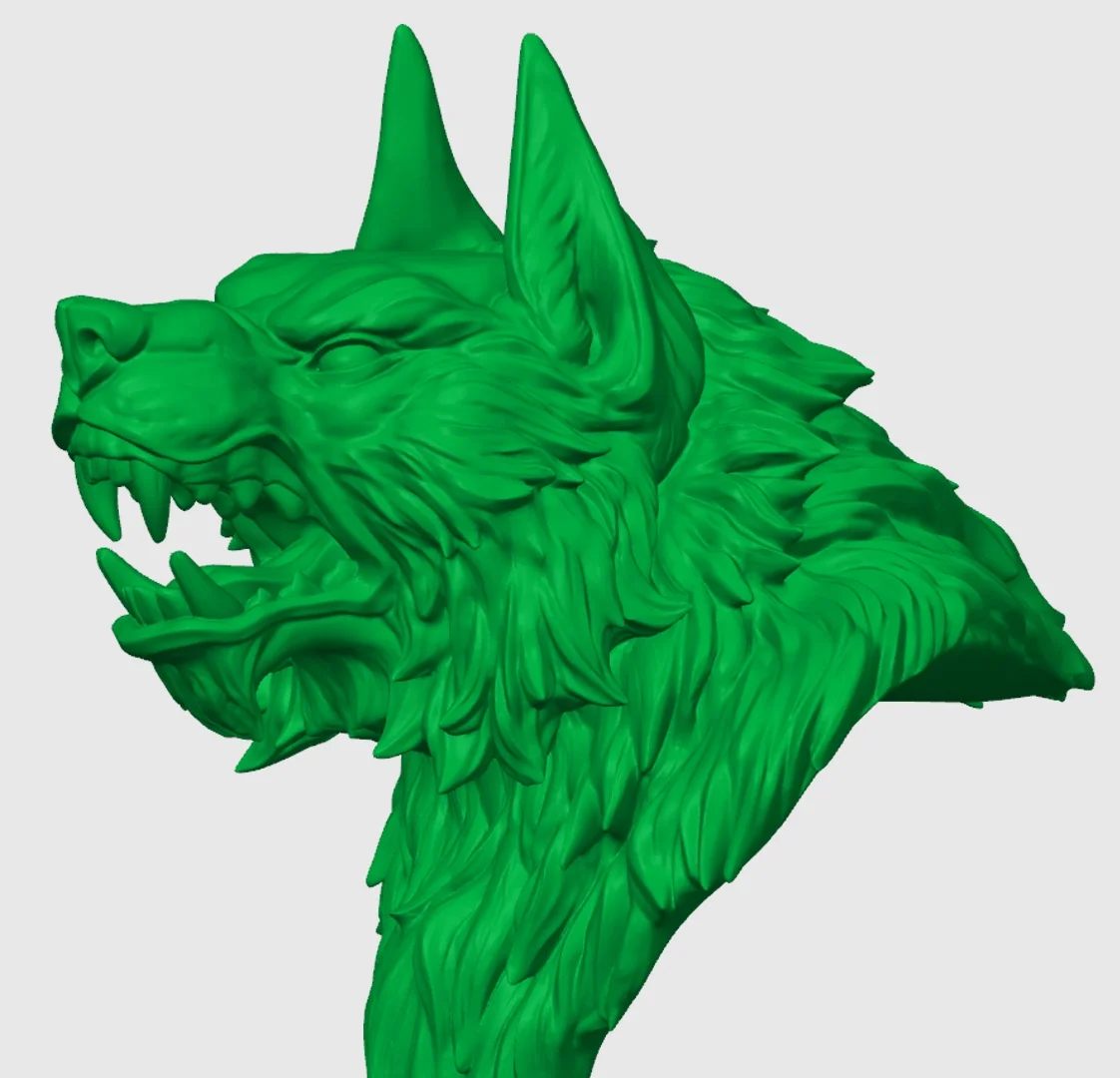
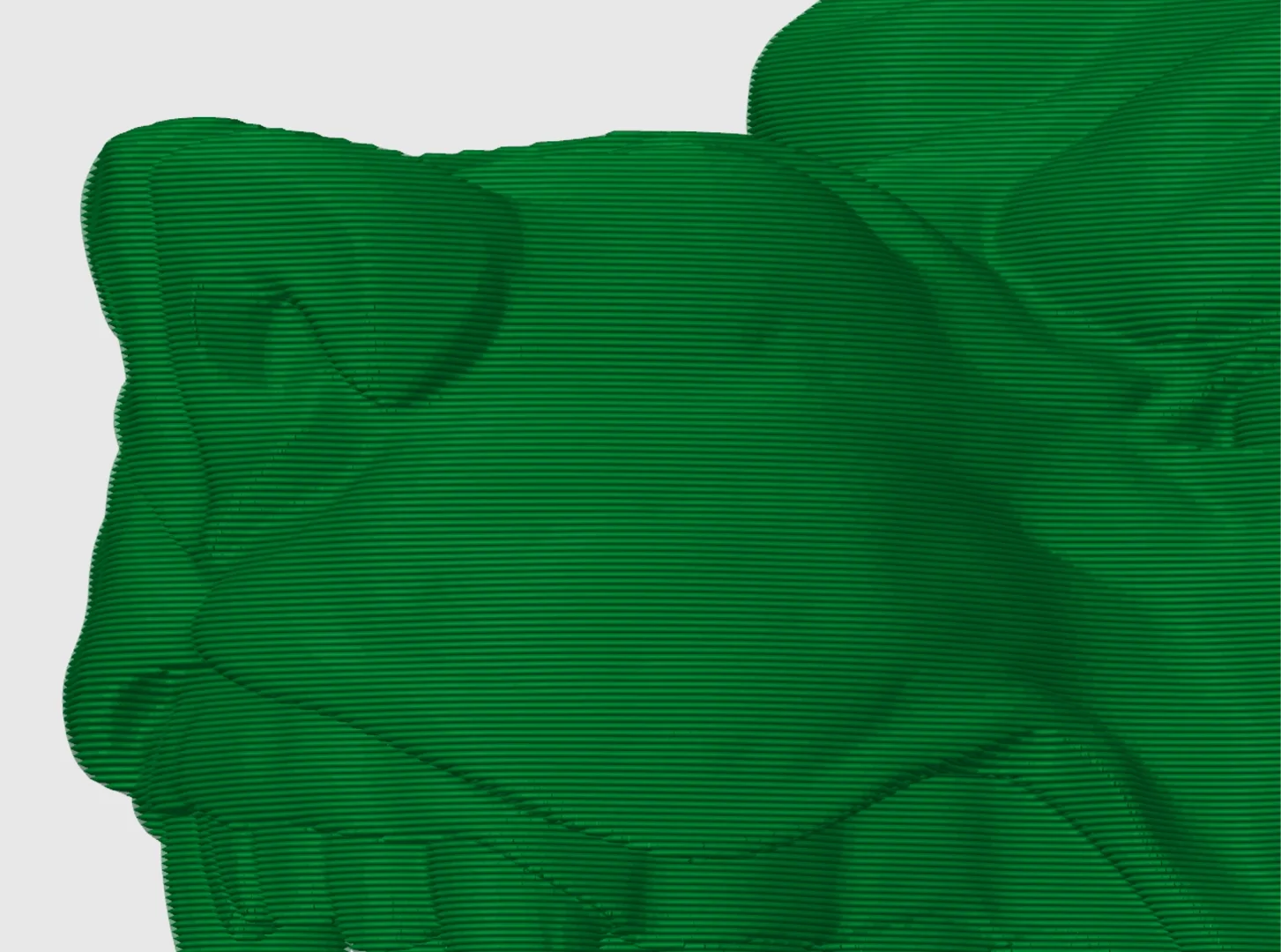
Since 3D printers print models in layers, a 3D model needs to be cut into those layers. This is called Slicing, and there are various computer programs called slicers that can do this automatically.
Infill
When a printer creates a 3D print, the inside of the model isn’t completely solid - this would waste plastic and make prints take much longer. Because of this, prints are partially hollow. The shape and density of the inside of 3D prints is called Infill.
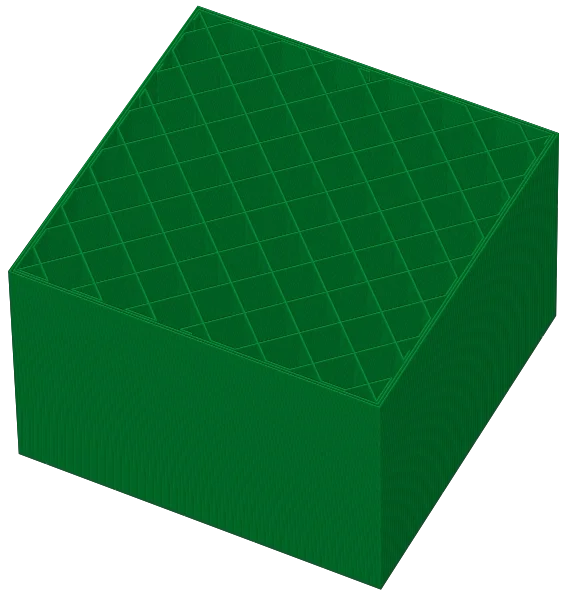
15%
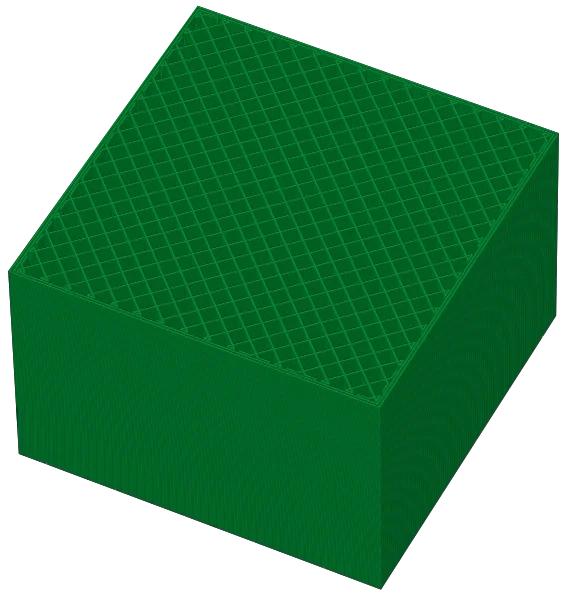
35%
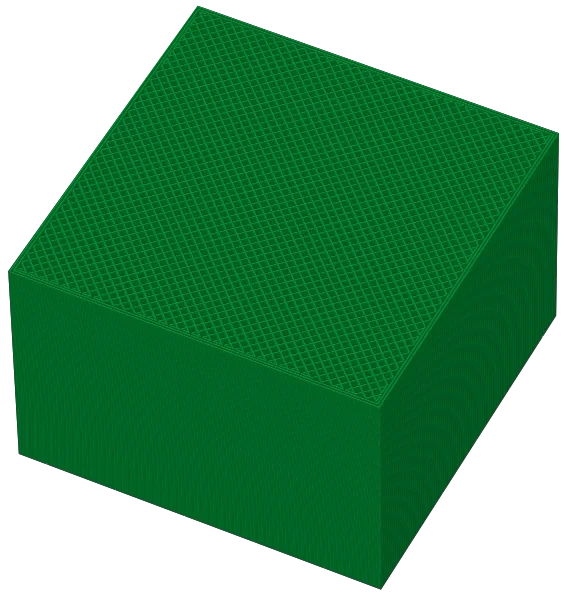
75%
Support
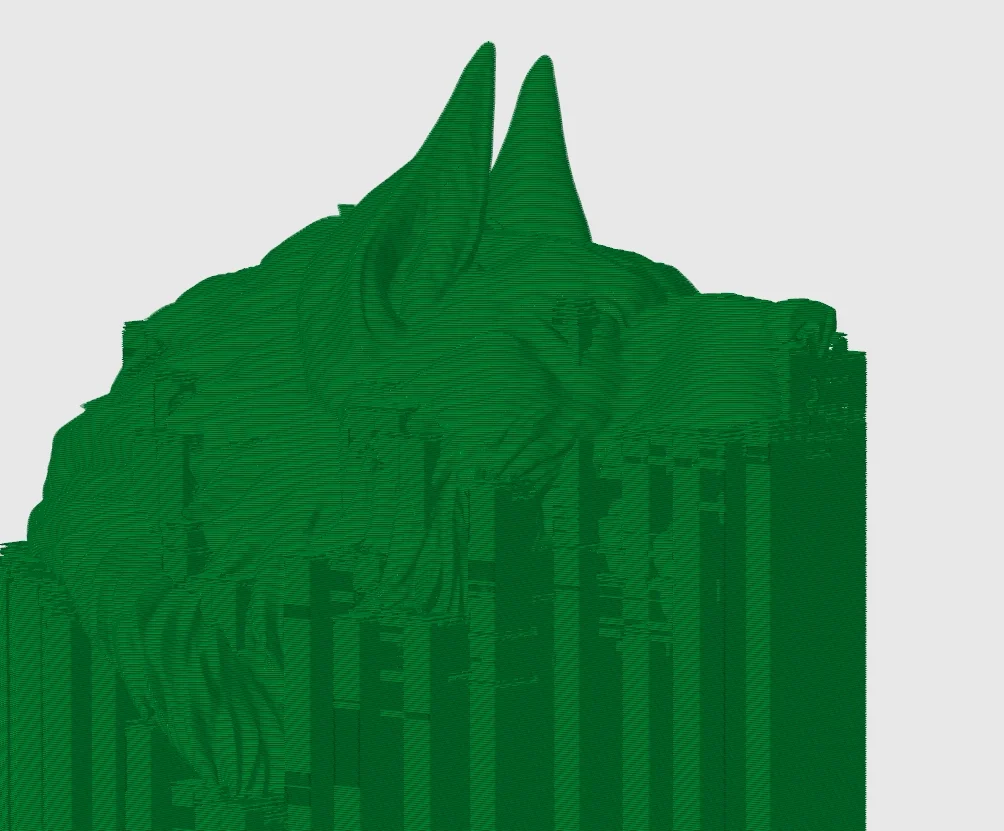
A lot of 3D printed models have parts that stick out with nothing underneath them. Because of how FDM printing works, the melted plastic can’t be extruded in mid-air. To help with printing these parts, 3D printers use Supports. These supports hold up the melted plastic while it cools, and can be removed later.
There are two main types of supports: Regular and Tree supports. SnapLab figures use tree supports, as these kinds of supports are easier to remove on more naturally-shaped models.
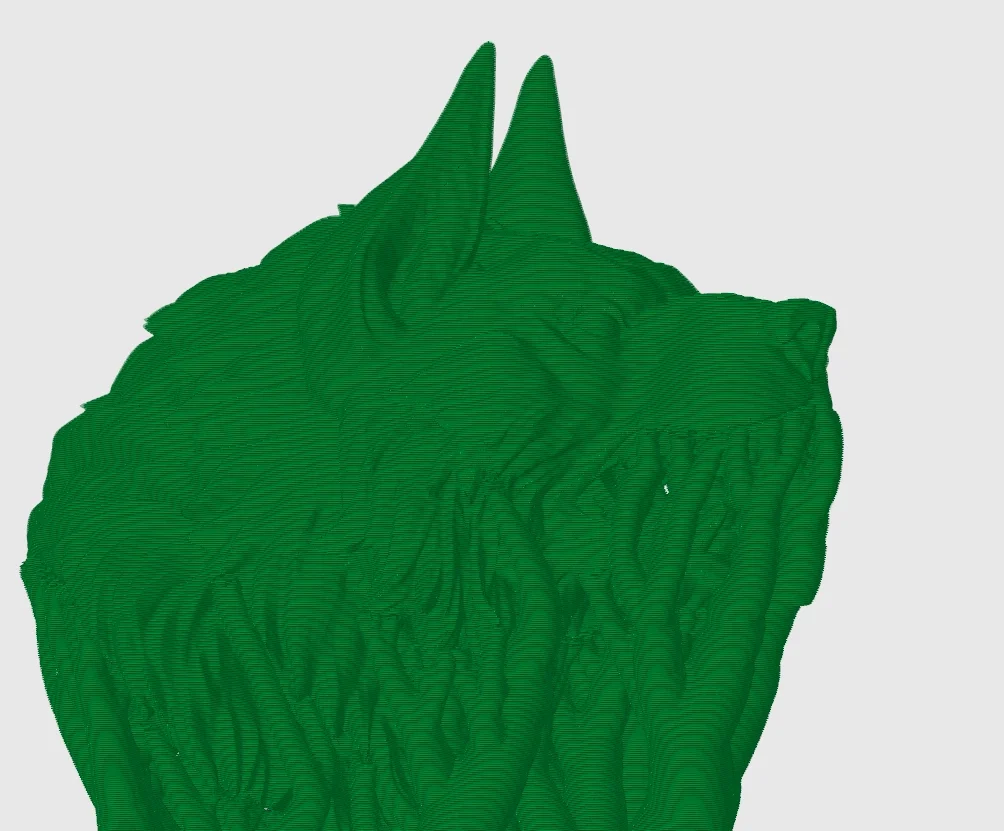
Tree Supports
Regular Supports
Filament
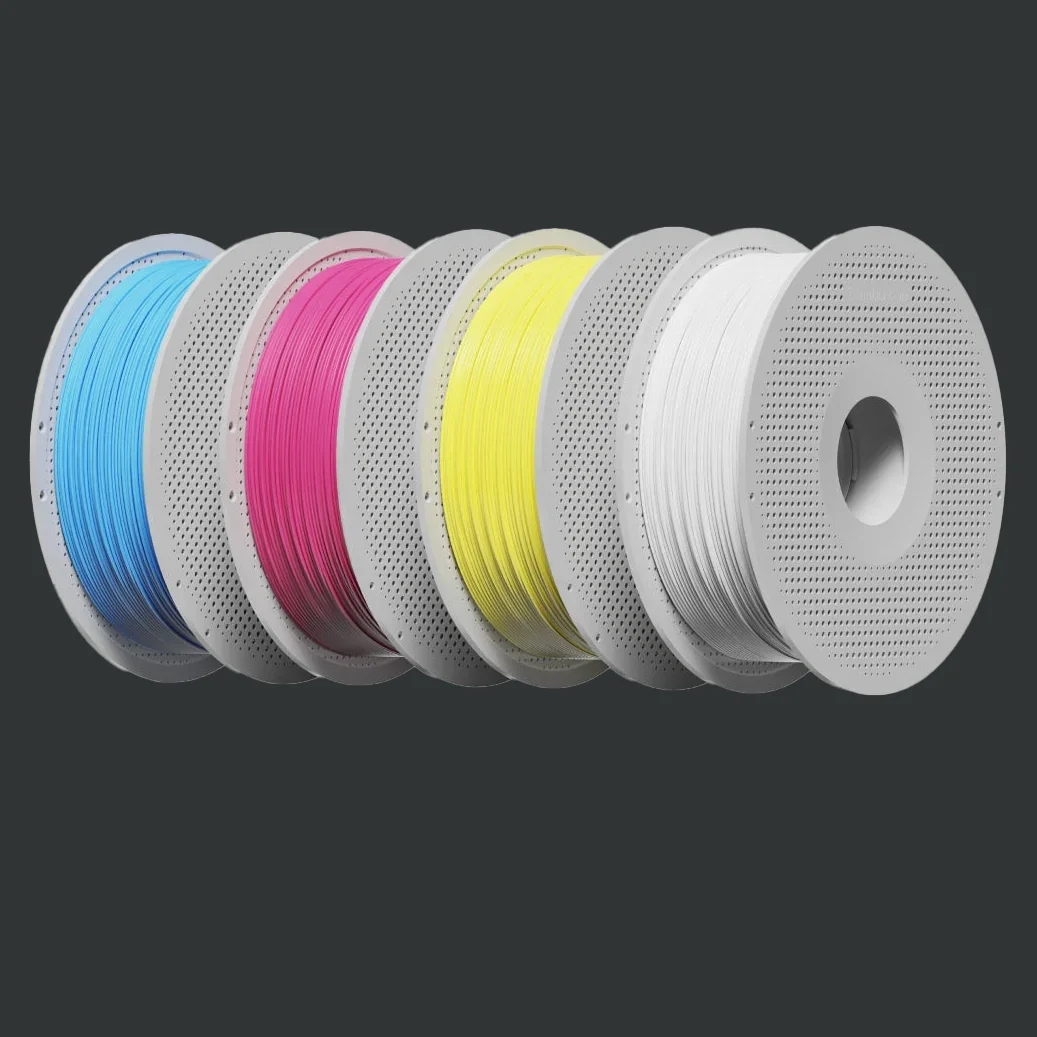
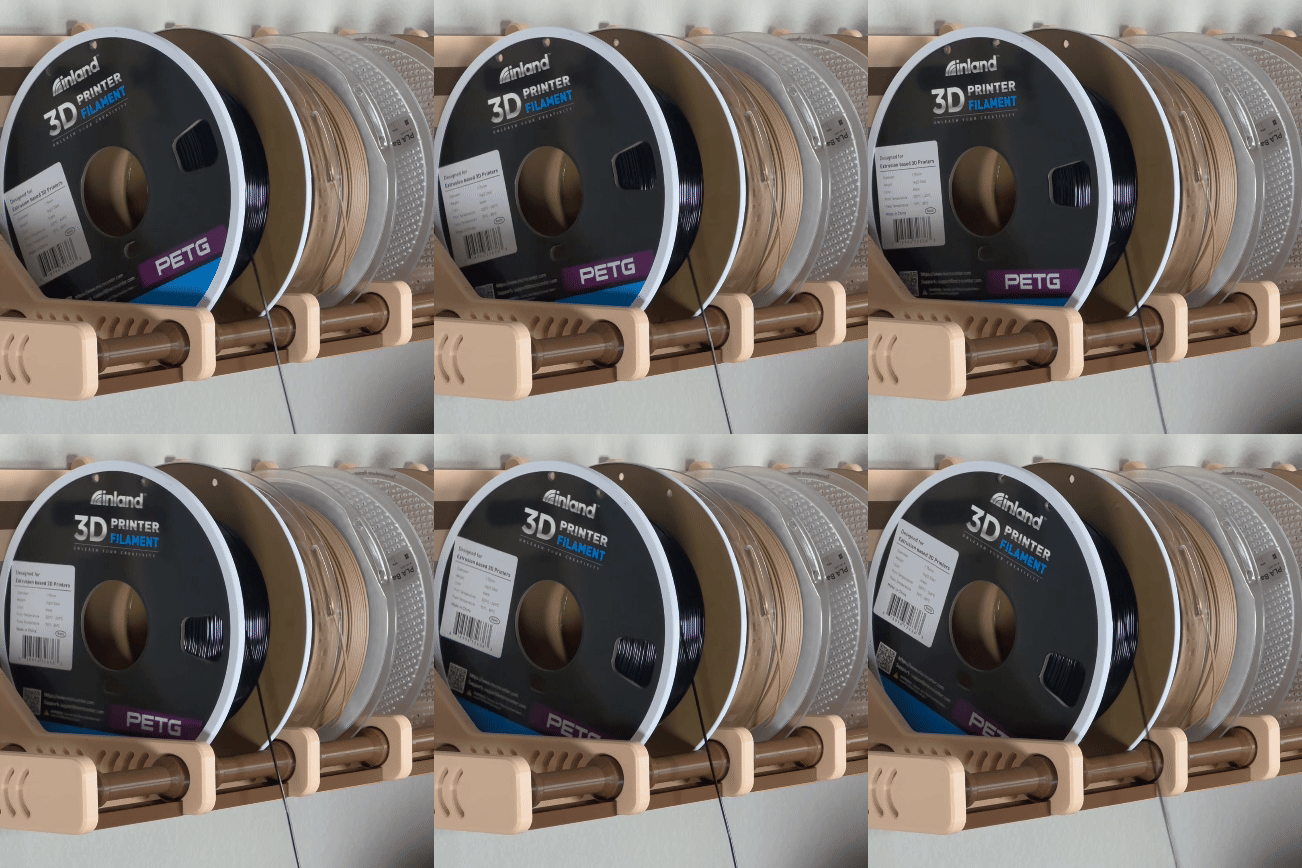
The plastic used for printing is long and thin so that the machine can push it into the nozzle easier. This spaghetti-like plastic is called Filament, and it is stored on spools that can be attached to the 3D printer.